

This post is from the Festival Focus series, spotlighting movies playing at film festivals. The movie discussed below played at the 2026 Sundance Film Festival.
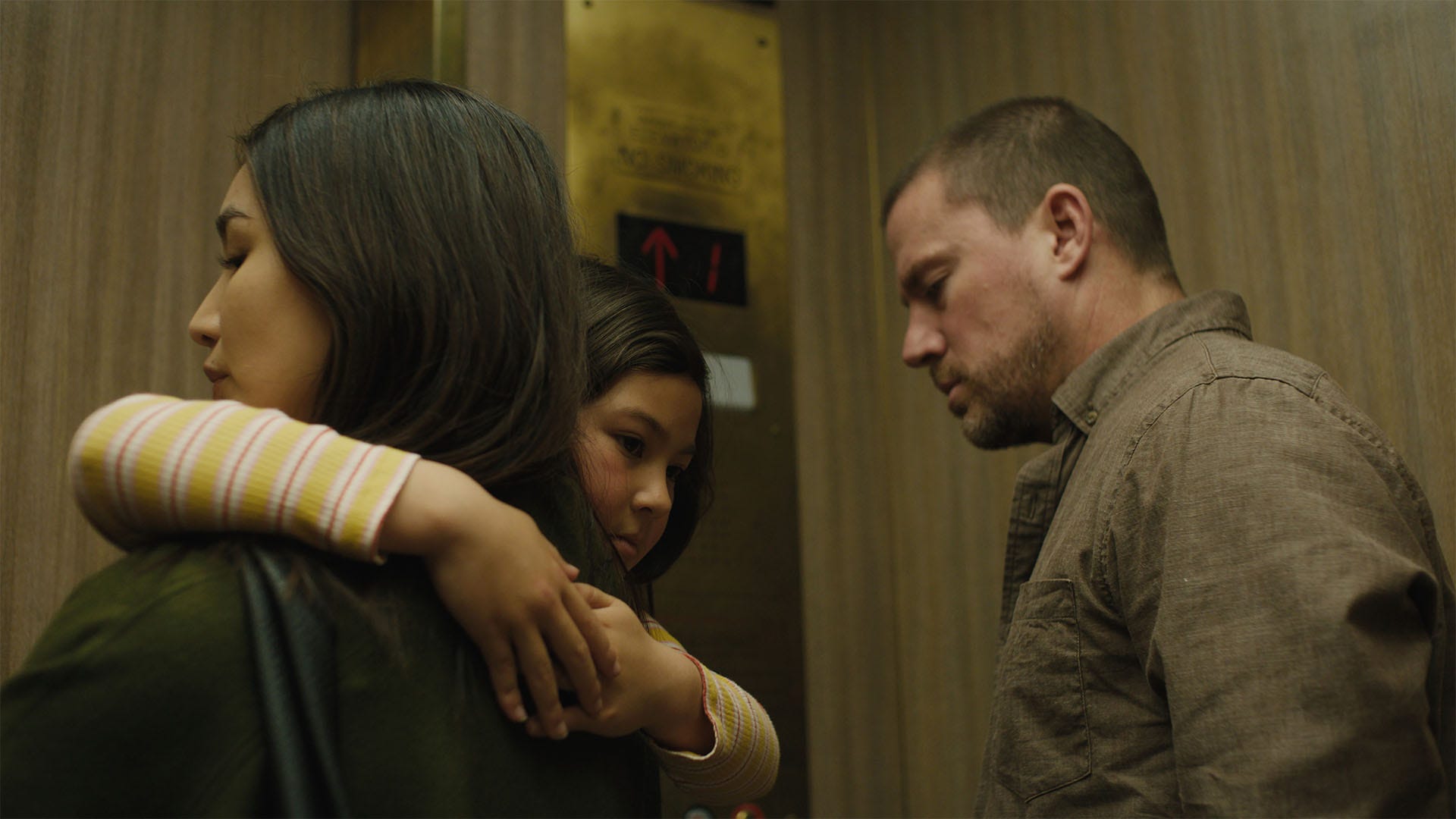
In Josephine, an eight-year-old girl witnesses a disturbing crime at a park, changing both her and her parents’ (played by Channing Tatum and Gemma Chan) outlook on the world and their relationships with each other.
Quick Shots
I was initially reluctant to watch Josephine. The Sundance description was not one that screamed out to me. I tend to drag my feet watching movies I fear might fall into the “depressing” bucket (even if those movies are often rewarding experiences). The child-in-distress angle of Josephine definitely raised that red flag for me.
But the buzz on this movie as it played Sundance became hard to ignore. Then it won the both the U.S. Grand Jury and Audience Award (more on what those wins could mean below) and it became a must-watch for anyone following the festival.
So does Josephine live up to the hype? Here are my quick thoughts on the film:
Mason Reeves, who plays the title character, delivers a fantastic performance. So much of this movie plays out in this girl’s eyes. You can see her processing, trying to make sense of the world in light of the new information she has uncovered. Sometimes she’s scared. Sometimes she’s angry. Sometimes she’s steely. But we always feel connected and empathetic to her.
Along those same lines, the movie does an effective job of placing us in Josephine’s perspective. The first shot of the film is from her POV. We get a lot of low angle shots looking up and tracking shots gazing around. And we hear, like a child does, the overheard conversations of adults in other rooms. All of this is incredibly powerful at bringing us into the mind of a child trying to navigate an adult situation and world.
Director Beth de Araújo employs a creative technique to visualize the girl’s trauma and the way it hangs over her. It’s a bold, somewhat risky choice that plays surprisingly grounded because of the way it’s handled. It’s one of many decisions that shows just how strong and confident the direction is here from the second-time feature filmmaker.
My main struggle with the movie came in the characterization and actions of the parents. While Tatum and Chan are both good in their roles, I couldn’t quite get a handle on their characters and their perspectives on what was happening (and maybe that’s the point?). There were things they did and didn’t do that seemed contradictory to what I saw from them in other parental moments. While I know firsthand parenting is often characterized by inconsistency, I can’t shake the feeling that some of the pieces are off here.
All told, Josephine is an impressive movie. The subject matter is tough and some scenes are hard to watch—but it’s not just a misery-soaking exercise. It’s involving, thoughtful, and the editing has a seamless flow that keeps things moving (a time jump is particularly well done). While I don’t quite think it’s a masterpiece, it’s easy to see why many declared this the best of the fest.
I’ll be interested to see how this movie is received when it reaches general audiences. The last two movies to win both the Grand Jury and Audience Award at Sundance—Minari (2020) and CODA (2021)—ending up being Oscar nominees for Best Picture (and CODA ended up winning). The material here might be a little more challenging than those movies, but that doesn’t mean Josephine can’t have a similar run.
It's interesting how your analisis of 'Josephine' really resonated. I often find that powerful, subtle performances, like the one described, are similar to how a single vivid description in a book can fundamentally alter your outlook. This piece clarifies why it won.