

This post is from the Festival Focus series, spotlighting movies playing at film festivals.
I watched multiple movies from the 2026 Sundance Film Festival online. Here’s the lowdown on a trio of them…
Chasing Summer
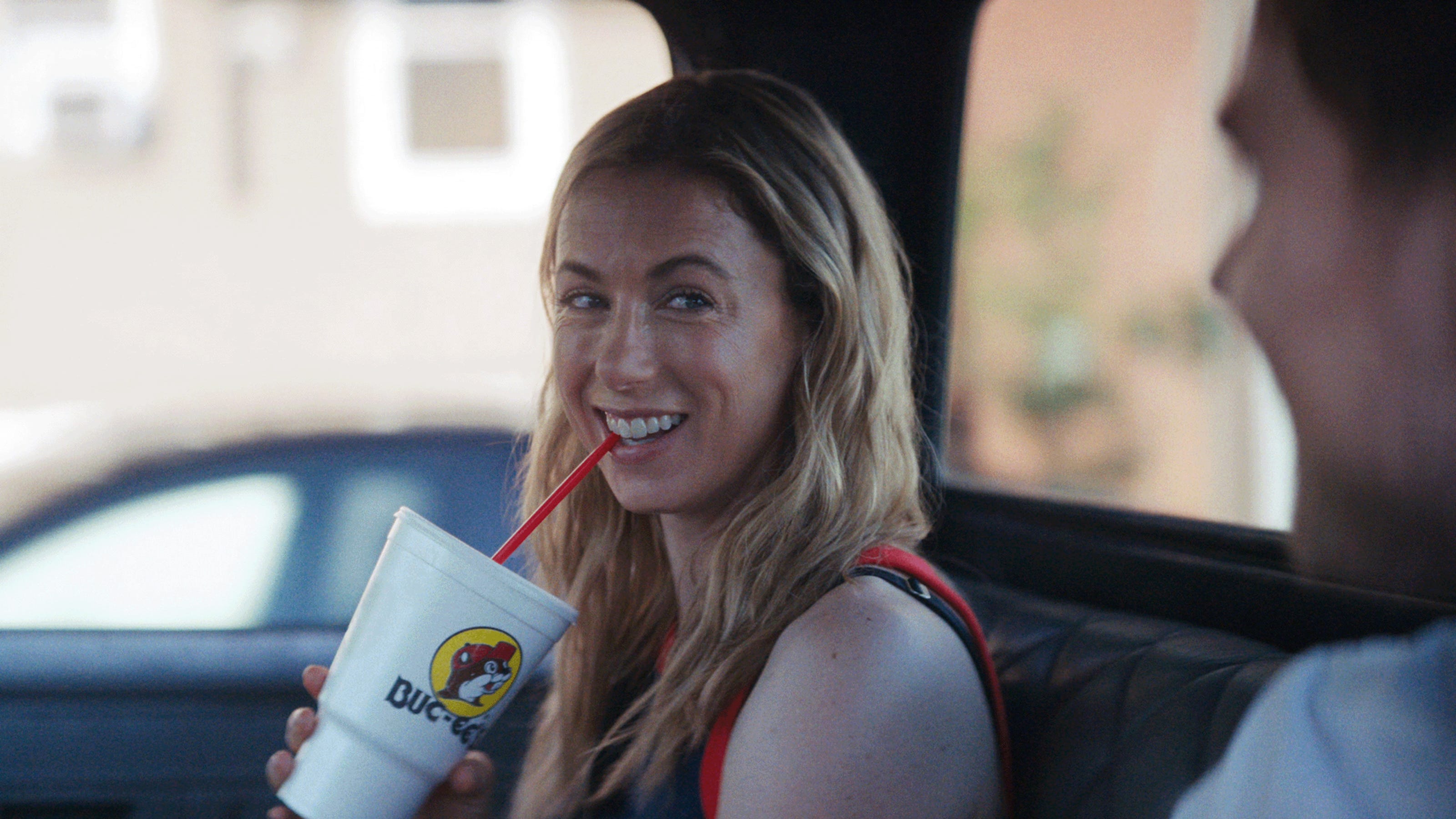
What’s it about: A disaster relief worker whose personal life is in shambles reluctantly returns to her small Texas town, resurfacing old relationships and wounds from the past.
Notable nuggets:
This is part of the Sundance “Premieres” section, spotlighting higher profile movies playing for the first time anywhere.
Comedian Iliza Shlesinger wrote the script and plays the lead role.
The movie is directed by Josephine Decker, whose previous work includes the 2018 indie drama Madeline’s Madeline and the 2020 Apple movie Shirley starring Elisabeth Moss.
Is it any good?
There was a point in the 1990s and early 2000s when we regularly got this movie: An individual in turmoil (typically a man) returns to their hometown after a long time away, reignites old relationships, and comes to a better understanding about themself. Think Edward Burns’ No Looking Back. Ted Demme’s Beautiful Girls. And, of course, Zach Braff’s Garden State.
I have to admit, I’m a sucker for this formula. It makes for a tried-and-true dramedy, and it almost always works on me. Which is why I’m so surprised Chasing Summer didn’t click. The film looks great and has some laid-back charm to it… but the script is super clunky. It feels like a checklist of return-home movies and small-town quirks rather than anything authentic or organic.
More problematic, the movie never settles on the right tone. A lot of the comedy feels pretty forced. And in the serious moments characters often tell rather than show, even straight-up stating the theme (ex: “guess that’s why you’re always running away”). I give the movie credit for giving us a manic pixie dream boy versus the typical girl, but he—like all the characters in the movie—never becomes fully realized. By the end, we’re left wondering how we got where we are and even where we actually are in terms of growth.
Rating: Mediocre
The Best Summer
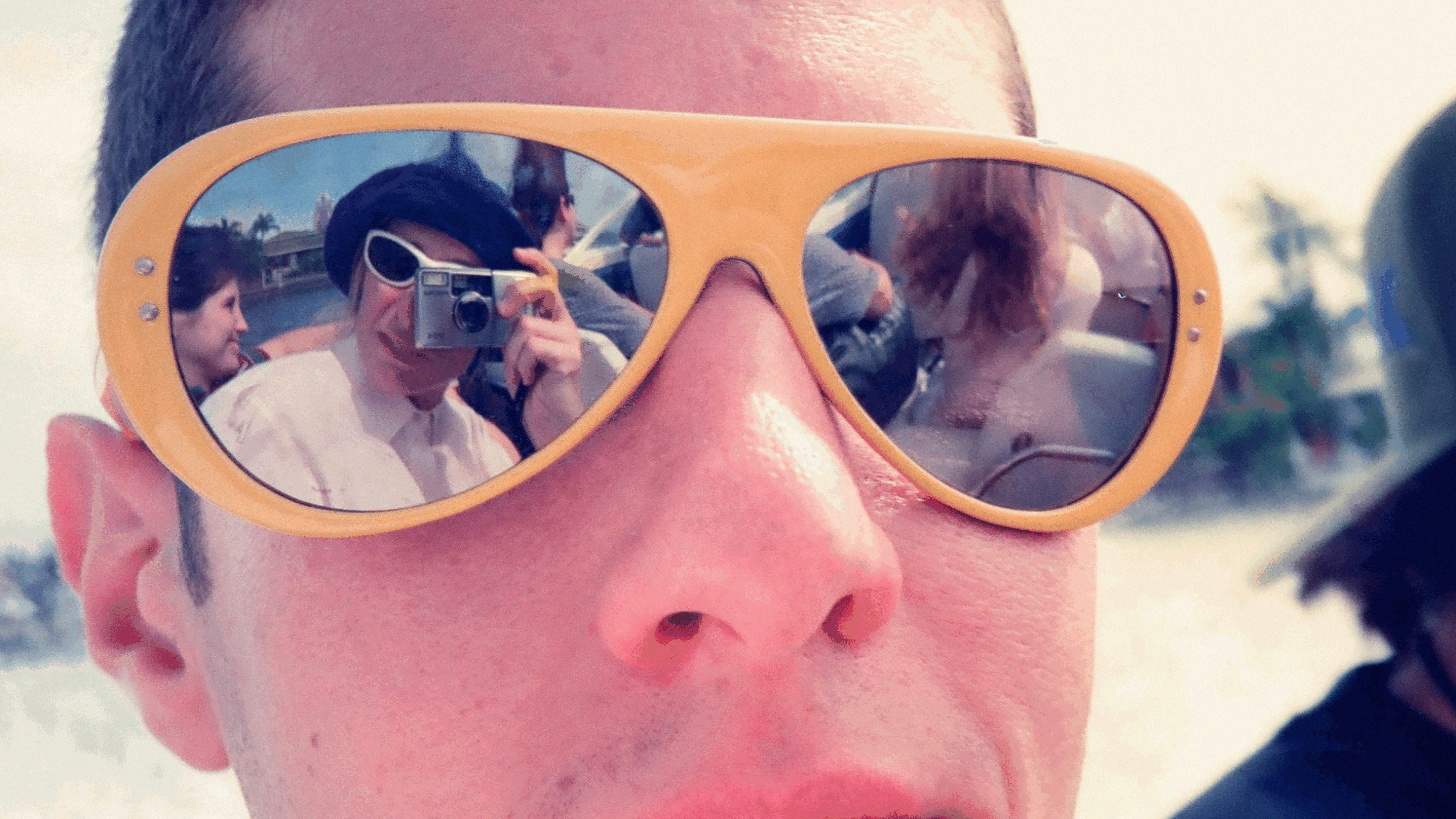
What’s it about: In 1995, director Tamra Davis hit the road with her (then) husband Mike D of the Beastie Boys on the Summersault Tour in Australia. That tour also featured bands like Sonic Youth, Foo Fighters, Bikini Kill, Rancid, Beck, and Pavement. Davis recently uncovered footage she shot during the tour and put together this documentary.
Notable nuggets:
Strangely enough, rather than being in one of the “Documentary” sections at Sundance this is in the “Midnight” section—which is for movies that defy genre classification (often leaning toward horror).
Davis, the director of movies like Billy Madison and Half Baked, is no stranger to the music scene. She started her career directing music videos for the likes of The Smiths, Faith No More, and The Bangles.
The movie transports viewers back to a peak moment in the 1990s alternative rock boom.
Is it any good?
In my teenage years, my friends and I used to go to these “music conventions” they would hold in different parts of the city a couple times a year. These would involve vendors selling bootleg band merch—including a lot of concert videos. I would spend a good chunk of my cash there, coming home with a handful of VHS tapes of Nirvana, Bad Religion, Red Hot Chili Peppers, They Might Be Giants, or whatever band I was most excited about at the moment.
All that’s to say, The Best Summer is catnip for people like me. If you lived through this time and like this music, you will dig this documentary. It’s like a time machine back to that era, with interviews and performance clips of these bands in their younger form. We get people like Kim Gordon, Beck, and Stephen Malkmus talking about what they like and don’t like about being on stage; musicians hanging out backstage and in their off time; the thrill of Dave Grohl performing “Sabotage” with the Beastie Boys.
Perhaps the highlight of the doc is Bikini Kill frontwoman Kathleen Hanna, who is on camera for a lot of the movie interviewing other musicians. I was not super familiar with Hanna and she comes off really charismatic and funny. It made me eager to go listen to Bikini Kill... and (hopefully) also be transported back to the mid-90s when alt rock ruled supreme.
Rating: Good
zi
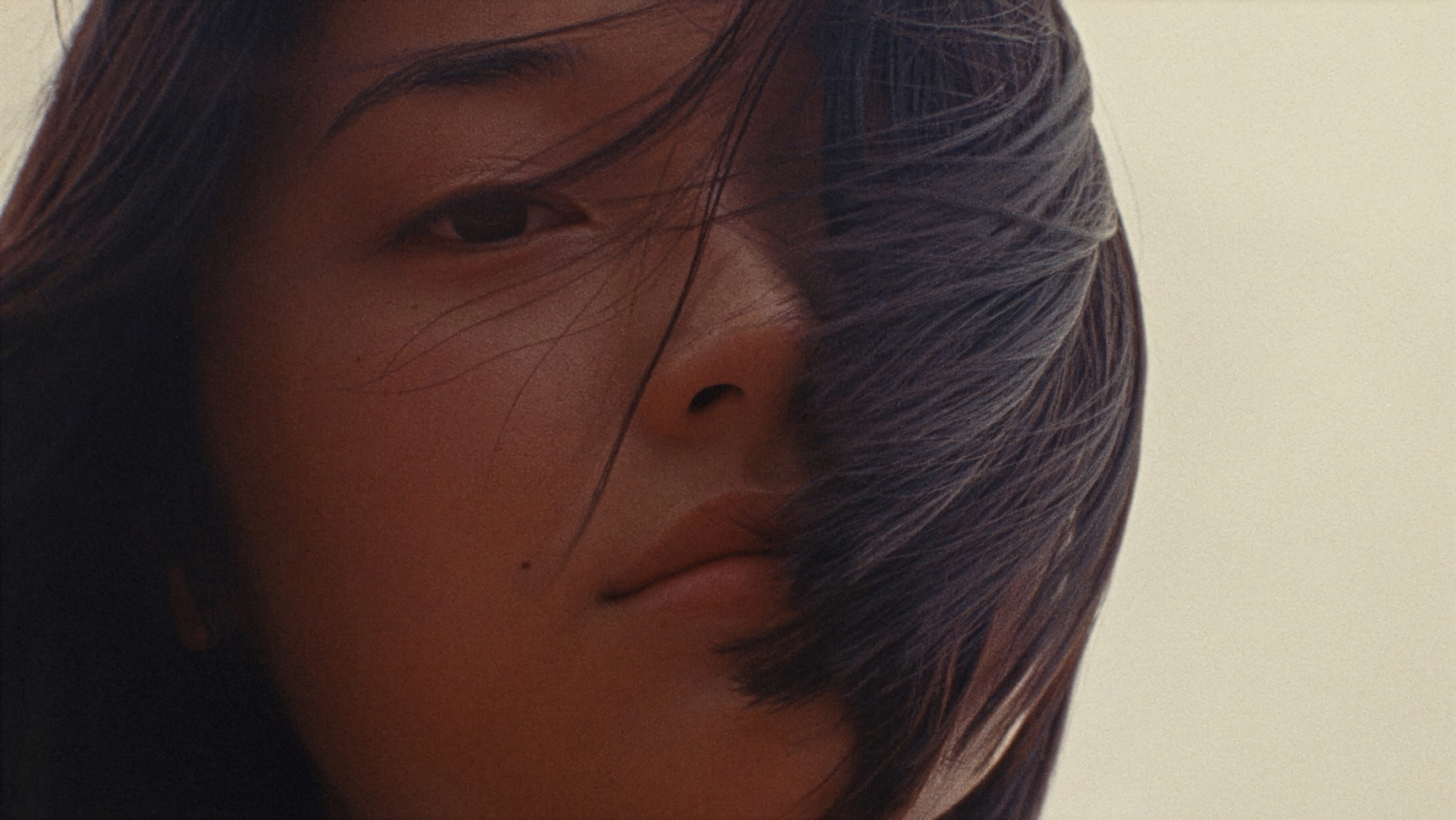
What’s it about: A violinist experiencing a strange mental/sensory condition walks the streets of Hong Kong. She meets and befriends an American woman, who introduces her to man she is friends with… then they walk some more.
Notable nuggets:
zi comes from the “NEXT” section of the Sundance Film Festival, which showcases “bold” films that represent the future of filmmaking.
The big sell here is that this movie is directed by Kogonada, a significant name in the independent film world for his movies Columbus (2017) and After Yang (2021). Kogonado is coming off his first foray into major studio filmmaking, A Big Bold Beautiful Journey, which was a box office disappointment ($6 million domestic, $22 million worldwide).
One of the stars of movie is Haley Lu Richardson, who Kogonada also worked with on Columbus and After Yang. Richardson is best known for appearing on season two of The White Lotus.
Is it any good?
The Sundance description of this movie is as follows: “In Hong Kong, a young woman haunted by visions of her future self meets a stranger who changes the course of her night—and possibly her life.” That logline is doing a lot of heavy lifting—there’s more plot in that single sentence than 10 showings of this movie. Which is fine, I’m always down for a hangout or vibes movie. The problem is this movie really has no idea what it’s trying to do—which is why it was such a massive disappointment for me.
According the IndieWire, Kogonada and his cast and crew started shooting with only a faint idea of what it was about “figuring out the film as they went along”. That’s pretty clear from the get-go. While there’s a coherent style to this with a lot (and I mean A LOT) of behind-the-body walking shots through the vibrant streets of Hong Kong, the story, themes, characters, and emotions are all so vague and scattershot it’s impossible to grab onto anything. Things just happen and characters react in certain ways for no real discernible reason.
Maybe the greater problem, and why I had such a negative reaction to this, is that the movie positions itself like it’s getting at something deep and meaningful. The glacial pacing, teary-eyed stares, and obscure dialogue gesture at the existential. But it’s all hollow and empty. There’s no real there there—Kogonada and crew are just hoping the viewer will stumble on something profound.
Rating: Bad