

This post is part of the Modern Classics series, spotlighting movies released since 2000 that have already earned a place among the all-time greats.
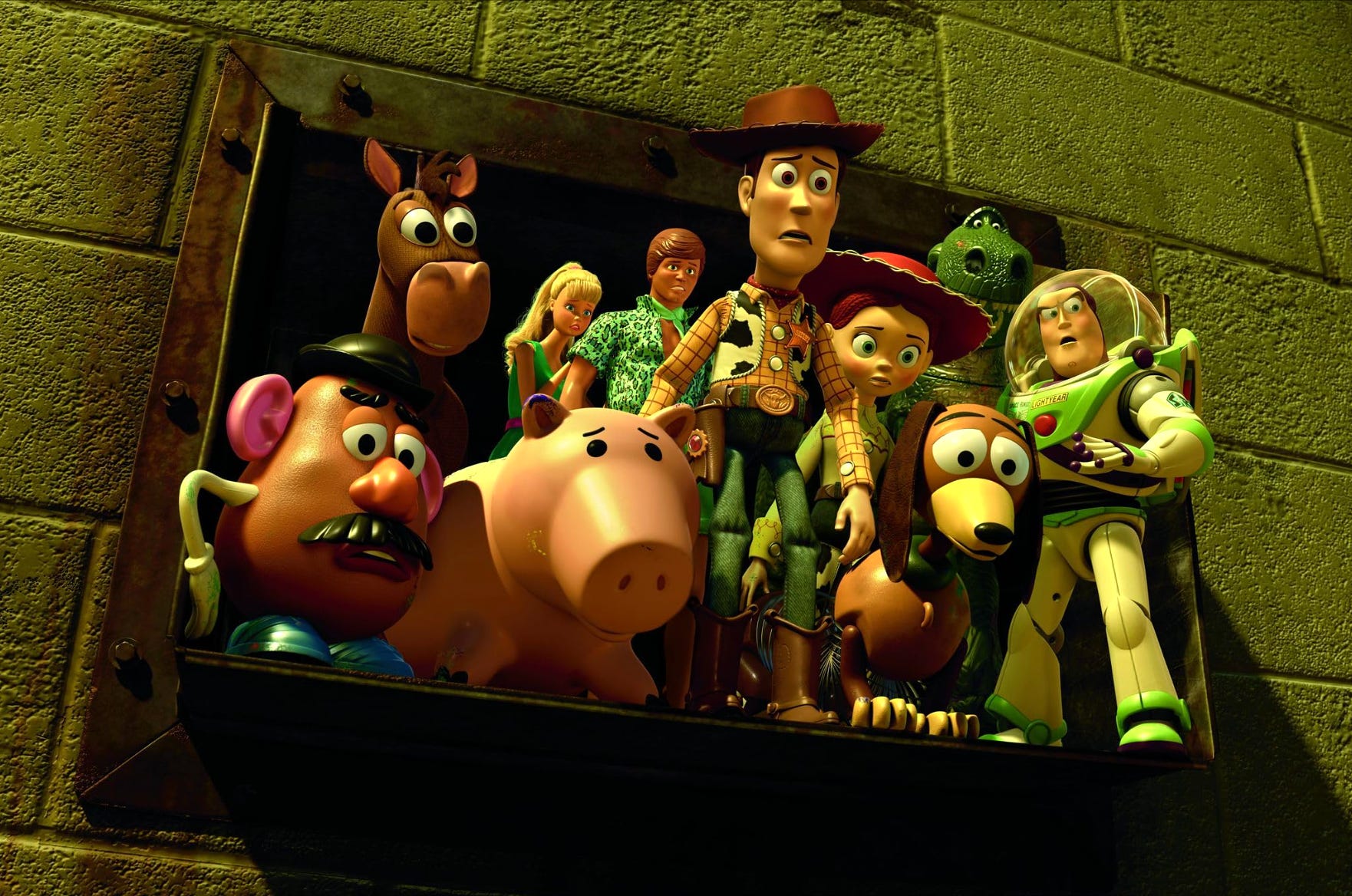
With their kid grown up and getting ready to leave for college, Woody (Tom Hanks), Buzz (Tim Allen), and their motley gang of toys are consigned to a local daycare, uncertain about their purpose and what the future holds.
Initial Reception
Released in June 2010, Toy Story 3 was the highest grossing movie of the summer, raking in over $400 million at the domestic box office. The movie received almost universal acclaim—with an A Cinemascore, 98% critic’s score on Rotten Tomatoes, and 92 score on Metacritic. In his Time review, Richard Corliss called it “an instant classic”.
Key Moment
There’s two… but we’ll get to them below.
Killer Line
“So long, partner.”
Standout Player
There’s a few viable candidates here:
Lots-o’-Huggin’ Bear, voiced by Ned Beatty
Ken (of Ken-and-Barbie fame), voiced by Michael Keaton
Mr. Pricklepants, voiced by former 007 Timothy Dalton
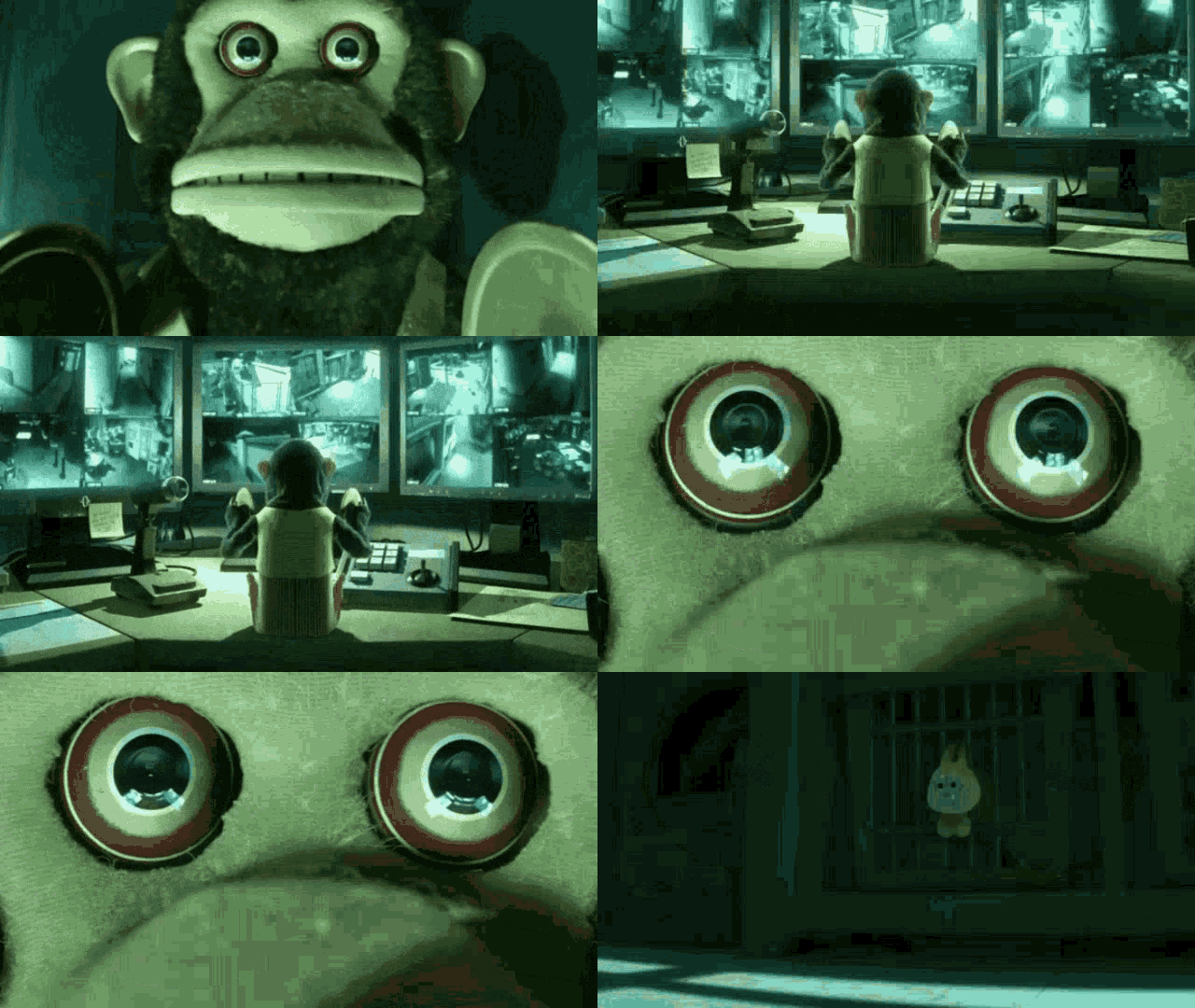
But for my money, the trophy goes to “The Monkey”, a beady-eyed, cymbal-banging toy who spends his nights monitoring security cameras. As depicted, this toy is both darkly funny and legitimately terrifying. He owns every moment he’s on screen.
Achilles’ Heal
There are no throwaway toys here.
Why It’s a Classic
Released 15 years after the original Toy Story, which broke new ground as the first entirely computer-generated animated film, Toy Story 3 makes the equally bold move of acknowledging the passage of time. It’s a big swing that elevates this movie from great to transcendent.
As an animated movie, moving forward in time is not something the creators needed to do. From Toy Story (1995) to Toy Story 2 (1999), the toy-owning child at the center of the movie, Andy, remained roughly the same age. Since there’s no human actor growing old, he could have stayed that age in perpetuity—the toys continuing their adventures through Toy Story 20 (and beyond).
But screenwriters Michael Arndt, John Lasseter, and Andrew Stanton have more on their minds here than just the next episode. They age Andy up to a teenager on the cusp of heading off to college. This creates an existential crisis for the toys: What will their purpose be once their kid is gone?
From that premise, Toy Story 3 takes viewers on a rollercoaster ride that includes a hopeful trip to and daring escape from Sunnyside Daycare, an encounter with cuddly villain Lots-o’-Huggin’ Bear, and some all-around spectacular computer-generated animation.
Despite all the fun and action, there are two key moments that take Toy Story 3 to another level (stop reading now to avoid spoilers):
1. The Incinerator Scene
There are few scenes in movies I think about as often as this one. It’s the epitome of an “all is lost” moment. Trapped in a garbage incinerator, fighting for their lives, the core toys—Woody, Buzz, Jessie, Rex, Hamm, Slinky Dog, Mr. and Mrs. Potato Head, and Bullseye—stare at the white hot flames and realize they are completely fucked.
Now, the logical part of your brain knows there is no way a Disney/Pixar movie is going to burn all its beloved characters to ash. But that’s not how it feels. The situation seems so impossible, the threat so imminent, that it really feels like they might melt these poor plastic bastards to puddles of black chemicals.
What happens next is even more surprising. With no way out, the gang stops fighting and a calm comes washes them. They lock hands and accept their fate, ready to die together. It’s a moment you can’t help but connect to the holocaust. It’s also one of the most powerful moments in modern cinema.
2. One Last Playtime with Andy
Not to be outdone by that emotional climax for the movie’s toy protagonists, we then get an emotional climax for the movie’s human characters (and, by proxy, us).
First, we get a brief scene with Andy and his mom (Laurie Metcalf), where she sees his room packed up as he prepares to head off to college. She’s taken aback, suddenly struck by the passage of time. She hugs him and says “I just wish I could always be with you.” The eyes of parents everywhere instantly turn to waterfalls.
Woody, hearing this exchange, realizes it’s time to let Andy go. He sticks a note on the box of toys for Andy to deliver them to Bonnie, a girl they met at daycare. This leads to one last playtime for the toys with Andy—which is nirvana for the gang, who have been trying (unsuccessfully) to get the teenager to play with them for years.
The brilliance of the sequence is it speaks simultaneously to both the painful experience of being a young person leaving childhood behind and the heartbreaking experience of being a parent watching your child—who once relied on you for everything and wanted nothing more than to be by your side—move on to the next, more independent phase of life.
It’s an ending that provides a perfect bookend to the toy-playing years of childhood and the Toy Story movies. Of course, it wasn’t actually the end. Two more Toy Story sequels would come along—proving that the movie business, unlike Woody, has never learned to let go.
Quick Takes
Toy Story 3 is one of only three animated movies to ever be nominated for Best Picture at the Academy Awards. The other two were Beauty and the Beast (1991) and Up (2009). It’s notable that both Up and Toy Story 3 received nominations after the Best Picture field was expanded from five to 10 nominees in 2009 (and a key reason the field was expanded was outcry over 2008’s WALL-E not being nominated Best Picture).
Michael Arndt was tapped to write Toy Story 3 based on the buzz off his Oscar-winning script for Little Miss Sunshine. The process of working on the Toy Story 3 script at Pixar was a highly collaborative effort that took Arndt three years. He detailed his experience in this video essay. For his work on the Toy Story 3 script, he received a Best Adapted Screenplay Oscar nomination.
Is Toy Story 3 one of the best movie part 3’s of all time? For my money, yes. On this episode of the Movies & Marketing podcast where we shared our favorite part 3 movies, I named Toy Story 3 alongside Indiana Jones and the Last Crusade and National Lampoon’s Christmas Vacation.